
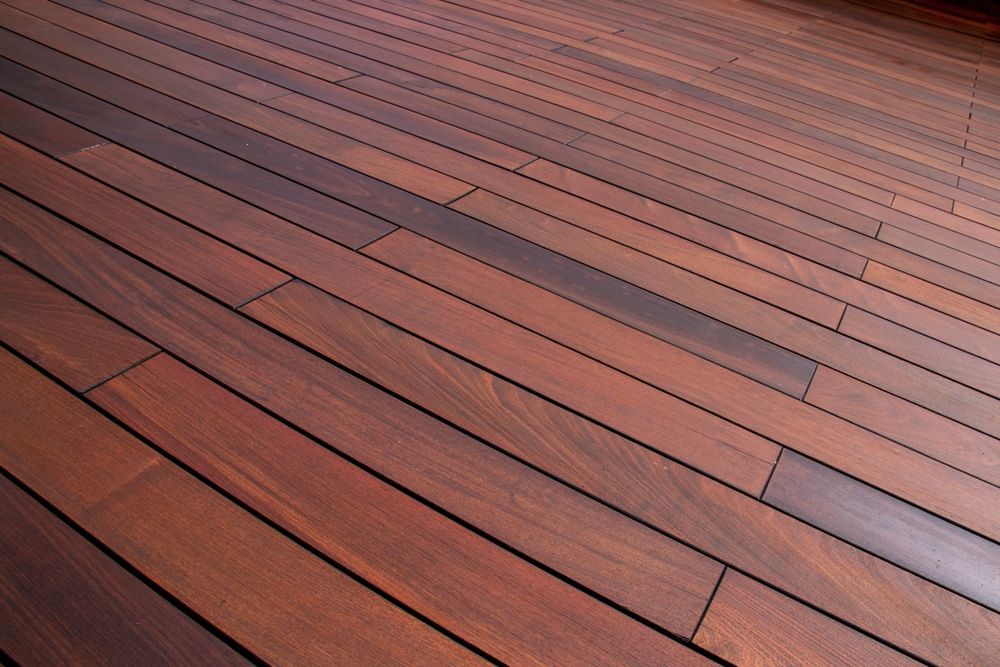
Elevated Outdoor Space That Extends Usable Square Footage
Deck Installation in Pittsburgh for properties with grade changes, limited yard space, or need for covered outdoor areas
Sloped lots and multi-level Pittsburgh homes often lack flat outdoor space for furniture and gathering areas—decks solve this by creating level platforms elevated above grade. Cargan Outdoor Living builds custom decks using either pressure-treated lumber or composite materials, with structural framing designed to handle live loads from furniture, occupants, and snow accumulation during winter months. These installations attach to the home's foundation or rim joist and extend outdoor living space without requiring extensive grading or retaining wall construction.
Deck construction involves setting frost-resistant footings below Pittsburgh's frost line, typically 36 inches deep, to prevent heaving when soil freezes. The frame uses ledger boards bolted to the house structure, with joists spaced to support decking material and railing posts anchored for lateral stability. Material choice affects maintenance requirements—wood decking needs periodic staining and sealing to prevent moisture absorption and rot, while composite materials resist decay but expand and contract with temperature swings, requiring specific fastening methods.
Request an on-site assessment to review structural requirements, material options, and how a deck integrates with your home's layout.
What Changes After Deck Construction Completes
Deck framing uses galvanized or stainless steel fasteners and joist hangers to resist corrosion from moisture exposure. Spacing between deck boards allows water to drain through rather than pooling on the surface, and the frame height provides airflow underneath that prevents moisture buildup. Composite decking uses hidden fastener systems that eliminate exposed screw heads and create uniform board spacing, while wood decking is face-screwed with fasteners countersunk to avoid raised heads that catch on furniture or bare feet.
After installation, you'll have a flat, stable surface at door-threshold height that eliminates the step-down into a sloped yard. The deck functions as an extension of interior space, accessible directly from living areas without navigating stairs or uneven ground. Furniture placement becomes practical, and the elevated position often improves sight lines over fencing or landscaping.
Decks can be expanded later to add stairs, built-in seating, or pergola structures. The structural frame supports these additions without requiring full reconstruction, provided the original footing and joist layout was designed with future expansion in mind.
Answers to Frequent Service Questions
Homeowners planning deck projects in Pittsburgh typically ask about material longevity, design flexibility, and how local conditions affect construction.
What's the functional difference between wood and composite decking?
Wood requires staining or sealing every two to three years to prevent moisture absorption, fading, and splinter development. Composite materials resist rot and insect damage without treatment, but they cost more upfront and can feel hotter underfoot in direct sun because they retain heat differently than wood.
How deep do deck footings need to be in Pittsburgh?
Footings must extend at least 36 inches below grade to sit below the frost line, preventing the heaving that occurs when frozen soil expands and shifts shallow footings. Deeper footings may be required on sloped lots or in areas with poor soil drainage.
Can a deck be built without attaching to the house?
Yes, freestanding decks use perimeter beams supported by posts and footings instead of a ledger board bolted to the home structure. This approach is used when siding or foundation conditions make attachment impractical or when the deck is positioned away from the house.
What size deck is practical for typical furniture arrangements?
A 12-by-16-foot deck accommodates a dining table with six chairs and a separate seating area with a small couch or lounge chairs. Smaller decks work for bistro sets or limited seating, while larger installations support multiple activity zones and built-in features.
How does deck height affect cost and complexity?
Ground-level decks require minimal railing and shorter posts, reducing material and labor. Elevated decks over 30 inches high require full perimeter railing, longer support posts, and often stair construction to reach grade level, all of which add to project cost.
Cargan Outdoor Living builds decks tailored to your property's grade, access points, and intended use. Set up a consultation to discuss framing options, material selection, and project scope for your outdoor living expansion.